Do I need a bigger emergency fund if I rely on a car for work?
If your car is essential for getting to work, visiting clients or earning a living, a breakdown can affect more than your travel plans. It could mean repair bills, extra transport costs and, in the worst case, lost income. That is a good reason to review your emergency fund — but not necessarily to keep every https://www.toddleabout.co.uk/parenting/planning-for-big-family-costs-without-losing-your-financial-buffer/ spare pound in cash or aim for an arbitrary target.
The useful question is: how much money would you need to keep the household going if the car failed at the same time as another essential cost rose? The answer depends on your work, your alternatives and your finances. In this guide, we’ll look at how to set a realistic buffer size, plan for car repairs and keep emergency money separate from savings for a known goal.
Why relying on a car can change your emergency fund
A car can be a necessary work tool, much like a laptop or a specialist piece of equipment. If it stops working, the immediate problem may be the repair. But the wider cost can include getting to work while it is being fixed, arranging childcare around a different journey, or losing pay if you cannot make a shift.
Those costs vary. A person who can work from home for a few days has different needs from someone who must drive to a site each morning. And a household with a reliable bus route may have a cheaper fallback than one where public transport is infrequent or unsuitable for work hours.
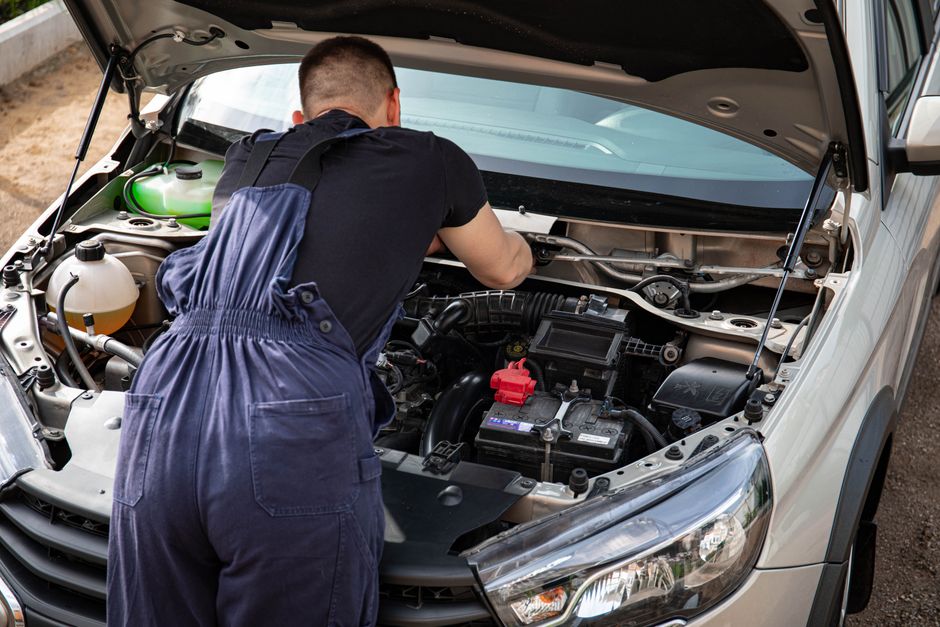
That does not mean every car owner needs a huge emergency fund. It means your buffer size should reflect how much you depend on the car and how quickly you could find another way to earn.

Separate emergencies from planned goals
An emergency fund is for costs that are unexpected, necessary and difficult to cover from your normal income. A known expense — such as an annual insurance renewal, a planned replacement car or a house move — is better handled through goal savings.
Keeping the two separate helps stop a predictable bill from swallowing your emergency money. It also makes it easier to see whether you’re genuinely prepared for a bad month.
- Emergency fund: unexpected essential costs, such as an urgent repair or a sudden gap in income.
- Goal savings: planned costs with a rough date, such as a deposit, car replacement or home improvement.
- Regular bills pot: predictable expenses that arrive throughout the year, such as road tax, insurance or servicing.
A separate savings pot can make each job clear. You might have one pot for emergencies, another for a car replacement and a third for annual car costs. If your bank offers labels or separate accounts, use names that tell you what the money is for. Avoid treating every savings balance as one big pool if that makes it easy to spend emergency money on a planned purchase.
Name and date the goal
A goal becomes easier to budget for when it has a name, a target and a date. For example: “Car replacement — £2,400 by next September.” If you have 12 months to save, that means £2,400 divided by 12: £200 a month. If that monthly amount is unrealistic, you can change the date, the target or both instead of quietly relying on your emergency fund to make up the difference.
Put this money in a suitable account for the timescale. An instant-access savings account can be useful for emergency money because you may need to withdraw it quickly. For goal savings, consider when the money is needed and whether access restrictions or interest rates suit your plans. Always check account terms, including withdrawal limits and any notice period.
Work out your essential monthly costs
Start by listing the household costs you would still need to pay if income fell or the car needed urgent attention. Include housing, utilities, food, essential travel, childcare, debt minimum payments and insurance. Use actual figures from bills and bank statements rather than a guess.
For a simple housing example, suppose your rent is £1,100 a month. If your other essential household costs are £1,300, your essentials total £2,400 a month. A three-month reserve based on those essentials would be £7,200. That is an illustration, not a rule: your target might be lower or higher depending on job security, household support, savings and how quickly you could replace income.
Do not include every normal lifestyle expense automatically. But be realistic about what you can genuinely pause. You may be able to reduce entertainment spending for a while; you may not be able to stop paying for childcare if you need it to work. “Just cut back” is not a plan unless the numbers show what can be reduced and what must still be paid.
Build car-related costs into the calculation
Car repairs are often the obvious concern, but the full cost of losing access to a car can be wider. Make a list of the costs you might face in the first few days and weeks.
- Repair or recovery: diagnostics, parts, labour, towing or roadside assistance.
- Temporary transport: public transport, taxis, lifts, car hire or a temporary vehicle, if available.
- Work impact: unpaid time off, reduced shifts or delayed invoices if you are self-employed.
- Knock-on costs: extra childcare, parking, or meals bought while travelling differently.
- Replacement decisions: a deposit or other upfront cost if the car is not economical to repair.
Research the true total costs rather than assuming the repair quote is the whole bill. Ask a garage for an itemised estimate, check what roadside cover does and does not include, and compare realistic alternative travel costs. If a repair is not urgent, get a second opinion where practical. Add a contingency for uncertainty, especially if the car is older or the repair could uncover further work.
Keep planned upkeep separate where possible. Servicing, tyres and predictable renewals are not surprises just because the bill arrives in one go. If you estimate an annual car cost of £900, setting aside £75 a month is a straightforward way to prepare. That regular pot can reduce the chance of using emergency savings for a bill you could have anticipated.
Set an emergency fund floor based on essentials
Your emergency fund floor is the minimum amount you aim to keep available for essential needs. It should not be based only on a generic recommendation. Think about the household’s essential monthly costs and the time it might take you to get back on track after a disruption.
One way to plan is to set two parts:
- Household essentials: the amount needed to keep the roof over your head, bills paid and basic needs covered for an appropriate period.
- Car disruption buffer: a realistic allowance for urgent car-related costs and alternative transport while you work out a longer-term solution.
These parts do not always need to be added together in full. For example, if your normal essentials already include fuel, some of that spending may fall when the car is off the road. On the other hand, taxis or car hire could make transport more expensive. Estimate what would actually happen rather than counting the same cost twice.
Set the floor at a level that you can work towards without neglecting current bills or high-priority debts. You might build it in stages: first a small amount for an immediate shock, then one month of essential costs, then a larger target if your circumstances justify it. The right target is one that can survive a bad month, not one that looks impressive on paper but leaves you short on rent.
Stress-test your buffer against a bad month
Before deciding your target, run through a difficult but plausible scenario. For example: the car fails just before payday, the repair costs more than expected, and you need to pay for several days of alternative transport. At the same time, a regular household bill is due.
Ask yourself:
- Could I pay the urgent costs without borrowing at high interest?
- Could I still cover housing, food, utilities and childcare?
- How long could I manage if the repair delayed my return to work?
- What would I do if the car could not be repaired quickly or economically?
- Which expenses could I pause, and which are genuinely fixed?
If the answer depends on using money saved for a deposit or another dated goal, your emergency reserve may be too low — or the goal amount and date may need a rethink. If you have access to paid sick leave, reliable family support or a workable public transport route, that can change the calculation. Treat those as part of your plan, but do not assume help will always be available unless you have discussed it.
Check cover and public support carefully
Insurance and breakdown cover can reduce some risks, but they do not necessarily remove the need for savings. Check excesses, exclusions, waiting periods, limits on onward travel and whether you are covered for the kind of journey you make. A policy may help with recovery but not pay for every repair or replace lost earnings.
For general budgeting guidance, MoneyHelper provides information on managing money and dealing with financial difficulties. Money Trumpet can also be one place to explore budgeting ideas and tools. For official information about matters such as benefits or statutory entitlements, check GOV.UK and confirm that the guidance applies to your circumstances. Do not build your whole plan around support you have not checked or are not eligible to receive.
A practical order for your savings
If you are starting from scratch, a simple order can help you avoid mixing up different jobs for your money:
- List essential monthly spending and minimum debt payments.
- Start or maintain a small emergency amount for an immediate shock.
- Set aside monthly money for predictable car costs, including renewals and maintenance.
- Name and date any larger goal, then calculate the monthly saving needed.
- Build your emergency fund floor towards a level that covers your household essentials and realistic car disruption costs.
- Review the figures after a change in job, income, childcare, housing or transport options.
If money is tight, you do not have to solve everything at once. A small regular transfer is useful if it is affordable and does not cause you to miss priority bills. If you have to pause goal savings temporarily to deal with an emergency, record the change and set a new date rather than pretending the original plan is still on track.
So, do you need a bigger emergency fund?
Possibly — if your car is essential to earning, a breakdown could threaten your income, and you have few affordable alternatives. But the answer is not automatically “save more”. First separate emergency money from planned goals, calculate essential household costs, research the true total of car-related expenses and add a sensible contingency.
Your buffer size should be anchored to what your household must pay and how long it might take to recover from a disruption. Keep emergency savings accessible, use a separate savings pot for named and dated goals, and check the plan against a bad month. That gives you a practical target: one shaped around your work and real transport costs, rather than a number chosen just because it sounds reassuring.