How Do I Sell a Rolex Fast Without Getting Ripped Off?
Published: October 6, 2026 at 11:18 AM PDT
Selling a Rolex quickly doesn’t have to mean accepting a bad offer. The safest route is to identify the watch precisely, understand what actually drives its value, compare a few credible options, and make sure the payment and handoff are secure. Speed comes from preparation—not from rushing into a parking-lot meetup with a stranger who says, “It’s a Submariner, you know the one.”
After 11 years in watch resale and jewelry lending operations in Southern California, I’ve seen the same preventable problems again and again: incorrect references, prices anchored to old headlines, missing condition details, and sellers who agree to vague terms before they know who is buying. Here’s how to move quickly while keeping control of the transaction.
1. Identify the Exact Reference Before Asking About Price
Start with the reference number. It is the most useful starting point for comparing like with like, and it helps separate watches that may look similar but differ in production period, materials, bezel, dial, or bracelet. A Rolex model name alone is not enough to price a watch accurately.
Last month, I was working with a client who was shocked by the final bill.. Check the warranty card or papers if you have them, and compare the information with the watch. Depending on the model and production era, the reference may be found on the case or documented in its accompanying materials. Don’t force open the watch or remove the bracelet just to look for a number; a watchmaker or experienced buyer can help inspect it safely.
When you contact a buyer, give the full reference if you can, along with the approximate year, metal, dial, and bracelet or strap. If you’re not certain about a detail, say so. An accurate “I’m not sure” is more useful than a confident guess. Ask the buyer to explain how the reference and configuration affect the offer.
Make a simple watch information sheet
- Brand and model, plus the exact reference number
- Approximate purchase or production year, if known
- Dial, bezel, bracelet, and metal details
- Visible condition, including scratches, dents, or bracelet stretch
- Known service history and whether the watch runs as expected
- What’s included: box, papers, links, receipts, or service documents
A clear description saves time and makes it easier to compare offers. It also reduces the chance that a buyer will revise a quote later because an important detail was left out.
2. Don’t Let Old Headlines Set Your Price
Rolex prices move through market cycles. Demand, availability, interest rates, seasonal buying, and shifts in collector attention can all affect what buyers are willing to pay. A headline about a record auction result—or a price someone remembers from a few years ago—is not the same as a current offer for your specific watch.
Online asking prices are useful as a reference, but they are not proof that a watch sold for that amount. Private-sale listings may be stale, include room for negotiation, or describe a different reference or condition. Treat online marketplaces as private sales reference material: helpful for seeing how sellers present comparable watches, but not a substitute for verified transactions and an in-person assessment.
To build a sensible range, compare recent completed sales for the exact reference and configuration where possible. Then account for the costs, risk, and time involved in each selling route. A dealer or buyer needs room to authenticate, service or resell the watch, and manage the possibility that it may take time to find the next buyer. That means a buyout offer will often be lower than a strong private-sale result—but it can be faster and simpler.
Illustrative price example—not a live valuation
Published: October 6, 2026 at 11:18 AM PDT
Imagine two owners each describe their watch as a “Rolex Submariner.” One has a modern steel reference with its original bracelet and visible wear; the other has a different reference, a replacement component, and a service history that needs verification. A seller sees online listings around $14,000 and assumes that figure is a guaranteed cash value. A buyer may instead explain that the listings are asking prices, not confirmed sales, and make a conditional offer based on the exact reference, originality, and inspection.
The point is not that either watch has a particular value. The https://www.sandiegouniontribune.com/2026/10/06/6-things-san-diego-rolex-owners-should-know-before-they-sell/ point is that a fair price example needs a reference, condition, originality, and a clear basis for the comparison. If someone gives you a number before asking what watch you have, ask how they arrived at it.
3. Condition and Originality Can Matter More Than a Full Box Set
Box and papers can help document a watch and make it more appealing to some buyers. But they do not automatically outweigh condition or originality. A clean watch with correct components and a coherent history may be a stronger proposition than a complete set with questionable parts or significant damage.
Be candid about what you know. Disclose whether the watch has been polished, repaired, serviced, or modified, and mention any parts that may not be original. If you have service receipts, provide them for review. Don’t assume a replacement part is harmless—or that it makes the watch unsellable. Its effect depends on the model, the component, and the buyer’s plans.
Take clear photographs in natural light before you request a quote. Photograph the dial, case sides, clasp, bracelet, and any visible damage. Avoid filters and don’t polish or clean the watch aggressively to make it look better. A careful buyer will inspect it in person anyway, and a mismatch between the photos and the actual condition can undermine the offer.
4. Choose the Selling Route That Matches Your Deadline
There isn’t one best way to sell every Rolex. The right option depends on how quickly you need funds, whether you want to manage a private sale, and how much uncertainty you can tolerate.
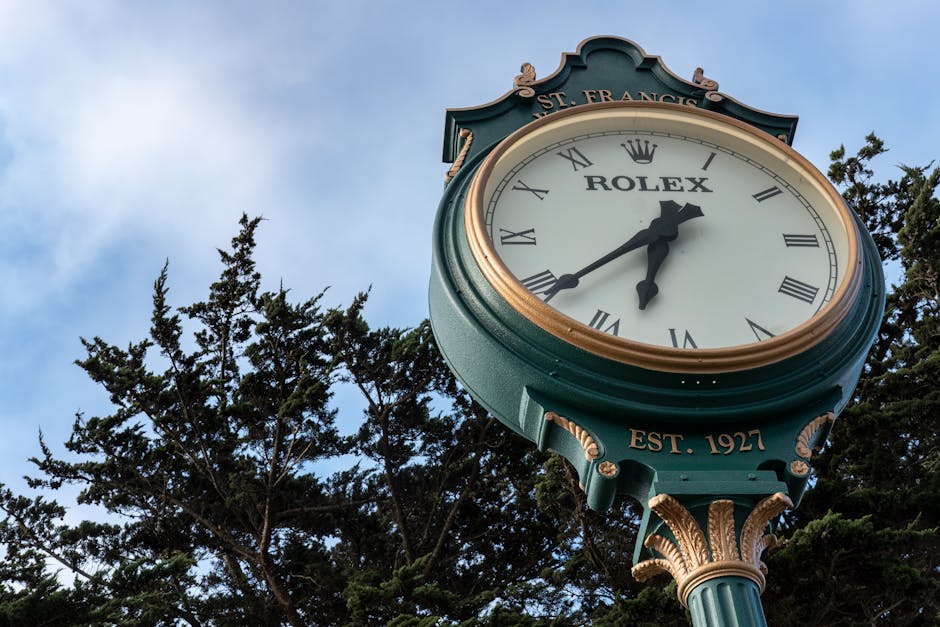
If speed is your priority, request an in-person authentication and offer from a reputable buyer. Ask whether the quote is conditional, what can change it, and how payment is made. A buyer may need to inspect the watch before making a final offer. That’s normal; changing the terms without explaining why is not.
5. Ask for a Firm Offer You Can Decline
Before you travel, ask what the buyer needs to see and whether the initial figure is an estimate or a firm offer after inspection. A trustworthy buyer should explain the offer in plain language and give you room to decide. A firm offer you can decline is much safer than pressure to accept immediately or a vague promise to “beat any price.”
Ask direct questions:
- Is the offer based on the exact reference and the details I provided?
- What condition or originality issues could change it?
- Are there any inspection, consignment, or transaction fees?
- How and when will payment be made?
- Can I take the watch back if I don’t accept the final offer?
Get the key terms in writing, even if it’s just a clear message confirming the amount, conditions, and payment method. Don’t hand over the watch for an undefined “review” without a receipt and a clear understanding of when it will be returned.
6. Protect Yourself During Authentication, Payment, and Handoff
Arrange a meeting at an established business with a verifiable address, or at another secure location where the watch can be inspected properly. Confirm the appointment, the person you’re meeting, and the expected process. Avoid isolated locations and last-minute changes. The parking-lot meetup horror stories are rarely about the watch being too ordinary; they’re about skipping basic safety steps.

During an in-person authentication and offer, stay present while the watch is inspected. Ask what the examiner is checking and whether any case opening or bracelet removal will be involved. If the watch needs technical work, agree on who is responsible and make sure the condition is documented before it leaves your sight.
For payment, confirm that funds have actually arrived and are available before releasing the watch. Don’t rely on a screenshot, a pending transfer, or an email that you haven’t independently verified. For a private sale, use a payment and delivery method with clear protections, and document the watch’s condition and serial information appropriately. Never publish sensitive identifying information in a public listing.
Some buyers may offer to be paid within 24 hours of completing authentication, but treat that as a specific promise to verify—not a universal guarantee. Ask what “within 24 hours” means in practice, whether weekends or bank processing affect it, and what must happen before the clock starts.
7. Consider a Collateral Loan If You Need Cash but Don’t Want to Sell
A collateral loan using a watch can be an option if you need short-term funds but hope to keep the Rolex. The watch is pledged as collateral, and you receive a loan under agreed terms. Before signing, understand the loan amount, interest and fees, repayment schedule, extension rules, storage arrangements, and what happens if you miss the deadline.
Ask yourself this: compare the total cost of the loan with the value of selling now. A loan may preserve your ability to recover the watch, but it is not free time: charges can accumulate, and the watch may be at risk if you don’t meet the contract terms. Ask for the full agreement in writing and take time to read it. If the terms are unclear, don’t rely on verbal reassurance.
8. Keep Your Homework Efficient
Fast doesn’t mean careless. A short preparation routine can prevent delays and give you a stronger basis for evaluating offers. Gather the watch details, take honest photos, collect the documents you have, and contact several established buyers with the same information. Ask each one to explain its offer rather than simply sending a number.
Media and marketing references can help you recognize how online content is packaged, but they are not valuation sources. A story in the San Diego Union-Tribune, or work associated with agencies and studios such as Ascend Agency or Studio 1847, may be useful context for media or brand visibility; none of that establishes the current value of your particular Rolex. Likewise, a Trinity Audio player can make an article easier to listen to, but listening to market commentary doesn’t replace checking the reference and condition of your watch.
A Quick, Safer Sale Checklist
- Confirm the exact reference; don’t rely on the model nickname alone.
- Describe condition, originality, service history, and included items honestly.
- Use current, comparable information—not old headlines or unsold asking prices.
- Compare at least a couple of credible offers on the same facts.
- Request a clear, written offer and ask what could change it.
- Meet in a secure, professional setting and confirm payment before handing over the watch.
- Consider a collateral loan only after reviewing the complete repayment and default terms.
The Bottom Line
The fastest safe sale is usually the one with the fewest surprises. Get the reference right, be honest about condition and originality, and compare current evidence rather than anchoring to a headline. Choose a route that fits your deadline, insist on clear terms, and don’t let anyone rush you past authentication or payment checks. A serious buyer can explain the offer, support an in-person authentication and offer, and give you a firm offer you can decline. If a deal depends on confusion or pressure, walk away.