How Does a Dealer Build a Rolex Offer from Recent Sales?
Rolex remains one of the most sought-after watch brands in both primary and secondary markets. Yet, when a dealer constructs a purchase offer for a pre-owned Rolex, it’s not as simple as quoting the MSRP or glancing at the current retail price. Instead, dealers rely heavily on detailed market data—particularly dealer comps Rolex from recent auction results and verified transaction history—to determine a fair, competitive offer.
This blog post dives into the methodology dealers use to evaluate Rolex watches, highlighting the nuances of watch market comps, scarcity due to discontinuation, collector demand cycles, and how tools like auction results and dealer sales platforms play critical roles in pricing transparency.
Primary Market MSRP vs. Secondary Market Realities
It’s an important starting point to clarify the distinction between a Rolex’s Manufacturer Suggested Retail Price (MSRP) and what it fetches in the secondary market. Many consumers mistakenly assume that the MSRP serves as an anchor for all pricing. However, for many popular Rolex models, especially discontinued or rare references, secondary market prices can significantly diverge from MSRP.
- MSRP (Replacement Value): The official retail price set by Rolex, representing how much it costs to buy new from an authorized dealer.
- Secondary Market Resale Value: What the watch commands when bought or sold through pre-owned dealers, auctions, or private transactions—often influenced by scarcity, condition, and collector demand.
Dealers focus intently on recent transaction comps—real sales that have closed with verified pricing—as these reflect the actual market willingness to pay in real time, far more accurately than MSRP.
How Dealer Comps Rolex Are Gathered
To establish an offer price for a Rolex, dealers start with a pool of dealer comps—comparables based on recent sales of similar models under similar conditions. The most trusted sources include:
- Auction Results: Reputable fine watch auctions—from Sotheby’s, Phillips, Christie’s, and specialized platforms—provide transparently recorded sales that are invaluable. Recent auction results reveal patterns in pricing, especially for rare or vintage models.
- Dealer Sales and Trade Channels: Dealers regularly share anonymized transaction data on models moving through wholesale channels, secondary market platforms, and buy-sell-trade networks such as those facilitated by firms like Diamond Banc.
- Market Research Platforms: Third-party analytical tools like Market Realist consolidate public and private sales data to publish watch market comps and trends, supplementing dealer databases.
Together, these sources help form a comprehensive, up-to-date landscape of what similar Rolex watches are actually selling for, not what they are listed at.
Scarcity and Discontinuations: A Key Driver of Value
One crucial driver shaping offer prices is scarcity. Rolex’s history of strategically discontinuing certain models or reference numbers creates supply constraints that directly impact desirability and resale value. For example:
- Discontinued classics: Models that are no longer in production can become highly sought-after collectors’ items, pushing their prices beyond MSRP.
- Limited production runs: Limited editions or regional variants may command premiums due to their rarity.
Dealers often monitor news of upcoming model refreshes or cancellations, using that intel to anticipate shifts in demand and adjust offer ranges accordingly.
Collector Demand Cycles and Market Sentiment
Another subtle but impactful factor is collector demand cycles. Interest in certain Rolex models ebbs and flows based on broader market sentiment, trends in watch collecting culture, pop culture influences, and macroeconomic conditions.
For instance, references like the Rolex Submariner or Daytona often experience waves of heightened demand after featured appearances in media or celebrity endorsements, leading to sudden spikes in transaction prices verified through auction results or dealer sales.
Building the Offer: Step-by-Step Approach
Here’s a simplified overview of how a dealer might combine all this information to build an offer for a Rolex watch:
- Identify Exact Reference and Variant: Confirm the full reference number, dial, bezel, and bracelet configuration for precise matching with historical sale data.
- Retrieve Recent Auction Results: Access multiple auction databases for completed sales of the same or closely similar references, excluding unsold lots.
- Scan Dealer Sale Data: Pull transaction comps from trusted secondary-market dealers or networks, such as documented trades managed by Diamond Banc.
- Adjust for Condition and Completeness: Consider the watch’s condition, presence of original box and papers, servicing history, and any modifications that might affect value.
- Account for Market Trends and Scarcity: Incorporate current scarcity factors, discontinuation status, and shifting collector demand as per market intelligence sources like Market Realist.
- Calculate Offer Range: Using the weighted average of transaction comps, minus a margin to allow dealer resale profit, finalize a competitive first offer.
Crucially, dealers routinely check “what did it actually sell for last week?” before adjusting offers to reflect the most current pricing rather than relying on outdated or speculative figures.

Why Transparency in Pricing Matters
In the pre-owned Rolex market, transparency can be a game-changer. Dealers who ground their offers in verifiable watch market comps and recent auction results build fair market value watch trust with sellers and buyers alike, avoiding the pitfalls of hype, guesswork, or inflated expectations common in less transparent channels.
For example, Diamond Banc’s position as a trusted secondary-market player stems partly from leveraging robust transaction data combined with personalized authentication checklists—translating data into confidence for customers.
Summary Table: Primary vs. Secondary Price Considerations
Aspect Primary Market (MSRP) Secondary Market (Dealer Offer) Price Determination Set by Rolex, published MSRP Based on recent transaction comps and auction results Scarcity Impact Limited effect, watches generally available High impact; discontinued/rare models pricing elevated Value Fluctuations Fixed for a model cycle Variable with collector demand cycles and market sentiment Condition and Completeness New, factory condition Varies; includes servicing, originality, boxes, papers Reference Data Sources Rolex catalog and pricing guides Auction houses, dealer sales platforms, Market Realist reportsFinal Thoughts
Building a Rolex offer requires more than just glancing at a price chart. It demands continuous market analysis, data verification, and an understanding of collector psychology across cycles. By leveraging robust dealer comps Rolex from recent auction results and trusted dealer networks, professionals provide offers grounded in reality—not hype.
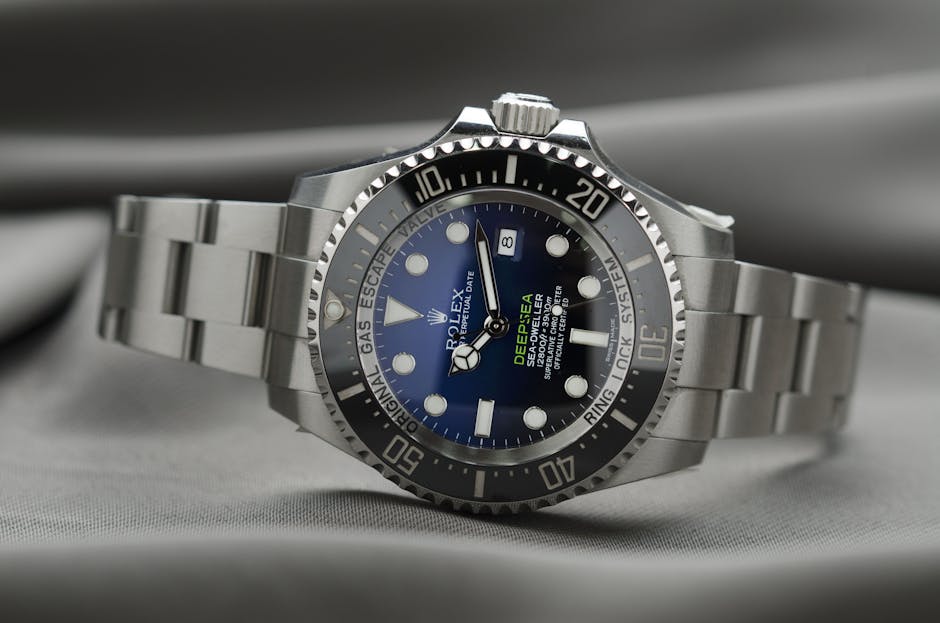
Next time you’re curious what a pre-owned Rolex might fetch, ask yourself: “What did a similar watch actually sell for last week?” That quick reality-check question often reveals far more than advertised asking prices and helps you navigate the secondary market with informed confidence.