Why Is Paying by Phone So Much Faster Now?
In a world where convenience often dictates consumer choices, paying by phone has evolved from a novelty to an expectation. Whether you’re grabbing coffee on your way to work or shopping online in your pajamas, the experience of checkout has been supercharged to be almost instantaneous. But what exactly has caused this rapid acceleration? The answer lies in the interplay of digital wallets, saved payment methods, streamlined mobile user experience (UX), and biometric authentication.
Phone-First Checkout Expectations: Setting the New Standard
Mobile usage has skyrocketed over the past decade. With smartphones becoming the primary gateway to the internet for millions, businesses have had to rethink checkout workflows to match users' expectations. Phone-first checkout means retailers and payment platforms design every step with the mobile user in mind:
- Speed over all: Mobile shoppers expect to complete their purchase in seconds, not minutes.
- Minimal taps, minimal typing: The small screen size discourages lengthy forms and complicated navigation.
- Clear visual cues: Totals and payment methods need to be unmistakably clear to prevent cart abandonment.
This shift has pushed companies to innovate beyond the traditional “enter your card details” model.
Digital Wallets and Saved Payment Methods: The Dynamic Duo Powering Rapid Mobile Payments
What Are Digital Wallets?
Digital wallets like Apple Pay, Google Pay, Samsung Pay, and PayPal store your payment credentials securely on your phone. They enable you to tap, click, or scan your way through checkout without manually entering your card number, expiration date, or CVV code.
Saved Payment Methods—Your Checkout Shortcuts
Many apps and mobile websites offer to save your payment details for future use, which might be a Visa, Mastercard, or another payment form. This “saved payment method” system lets you choose from pre-saved cards or accounts instead of typing in information every time.
How They Work Together to Speed Up Checkout
- Auto-populated fields: Saved payment methods automatically fill in the required billing details, saving valuable seconds.
- One-tap payments: Digital wallets integrate directly into checkout flows—pick your preferred wallet and authenticate.
- Reduced errors: Because you’re not typing card data repeatedly, mistakes that slow transaction approval down are less common.
Mobile UX: Streamlining Checkout with Fewer Steps But Clear Totals
Speed isn't only about the technology holding your payment details. It’s also about user experience design—specifically tailored for mobile.
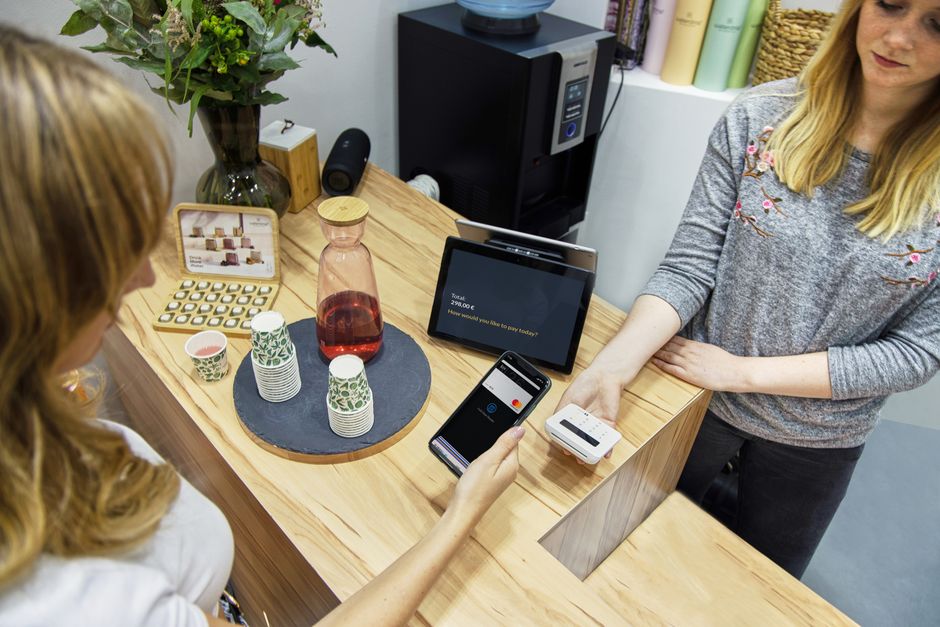
The Magic of Minimalism in Mobile Checkouts
- Condensed forms: Instead of multiple screens for shipping, billing, and payment, combined forms allow users to enter everything quickly.
- Progress indicators: Knowing how many steps remain reduces anxiety and prevents drop-offs.
- Visible, Transparent Totals: Users want to know exactly what they’ll be charged before confirming payment—clearly displaying taxes, shipping, and discounts upfront is key.
Examples That Work Well
- Amazon’s 1-Click Checkout: Saves your payment and shipping info and lets users complete purchases with a single tap.
- Starbucks Mobile App: Saves your preferred card and lets you reload your balance on the fly with Apple Pay or Google Pay.
Biometric Authentication: Removing Friction Without Sacrificing Security
Biometric authentication methods like fingerprint scans, Face ID (Apple), or iris recognition have revolutionized mobile payment security by replacing passwords and PIN codes with something https://highstylife.com/booking-accommodation-on-mobile-the-safest-way-to-pay/ uniquely you.
Why Biometrics Speed Up Payment
- Instant identity verification: No need to manually type PINs or passwords.
- Lower abandonment rates: Frustration with forgotten passwords or multi-step logins is reduced.
- Seamless integration with digital wallets: Apple Pay and Google Pay rely heavily on biometrics to approve payments quickly.
How Biometrics Build Trust Quickly
Contrary to some fears that biometrics compromise privacy, they often bolster trust. Users see a quick fingerprint scan and know their information isn’t being shared or input multiple times, reassuring them of safety without extra hassle.
Putting It All Together: What Has Changed Under the Hood?
Traditional Mobile Payment Modern Phone Payments Manual card number entry required every time Saved payment methods auto-fill card numbers and billing info Multiple checkout pages with confusing navigation Single-page or minimalist multi-step checkout with progress indicators Password, PIN, or 2FA codes typed in manually Biometric authentication with fingerprint or Face ID Unclear or buried payment totals causing uncertainty Visible, itemized totals clearly displayed at time of payment Slow transactions due to manual inputs and verifications Instant approval via integrated digital wallets like Apple Pay or Google PayAnswering Your Top Questions
Are saved payment methods secure?
Yes. Payment methods saved inside trusted apps or digital wallets are encrypted and often secured by your device’s biometric hardware. Companies like Apple and Google place strict rules on how this data is stored and accessed.
Why do digital wallets speed payments more than saved cards alone?
Digital wallets encrypt your card credentials and process payments via tokenization, which means the merchant never sees your actual card number. They also bundle biometric authentication, making the final payment step much faster and more secure than manually selecting a saved card.
Is biometric authentication always required?
No, some platforms allow biometric authentication as optional but highly recommended. For larger purchases or for first-time payments on a device, strong authentication methods are typically enforced.
The Takeaway: Paying by Phone Gets Better Every Year
Thanks to the combination of saved payment methods, digital wallets, thoughtful mobile UX design, and biometric authentication, paying by phone is faster and more secure than ever before. These improvements respond directly to how people actually shop and pay, cutting out friction and minimizing errors. So next time your phone speeds through checkout with a simple fingerprint tap, you’ll know there’s a lot of careful engineering https://smoothdecorator.com/visa-vs-mastercard-for-mobile-deposits-what-you-need-to-know/ behind that smooth experience.